May 29, 2026
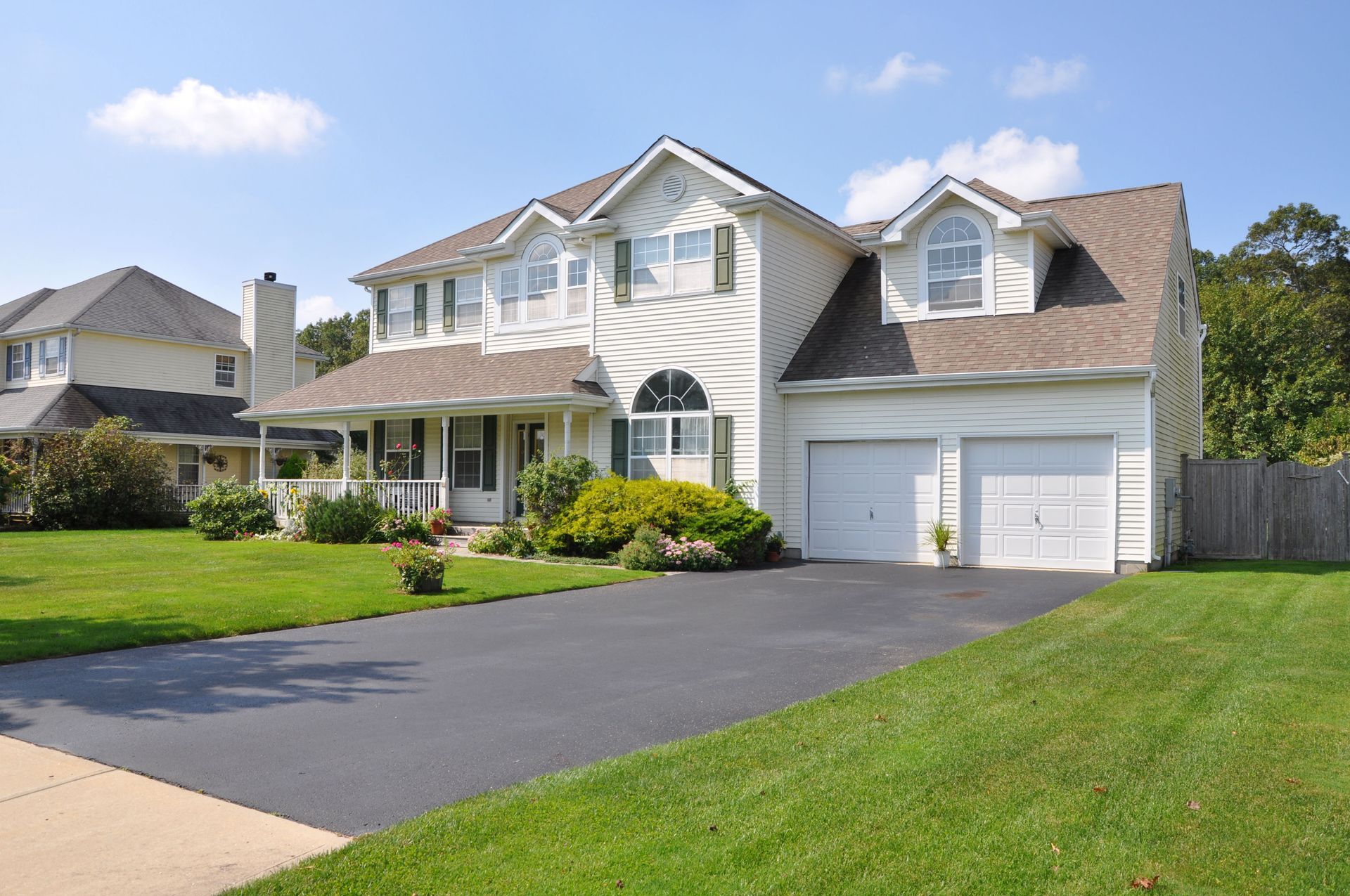
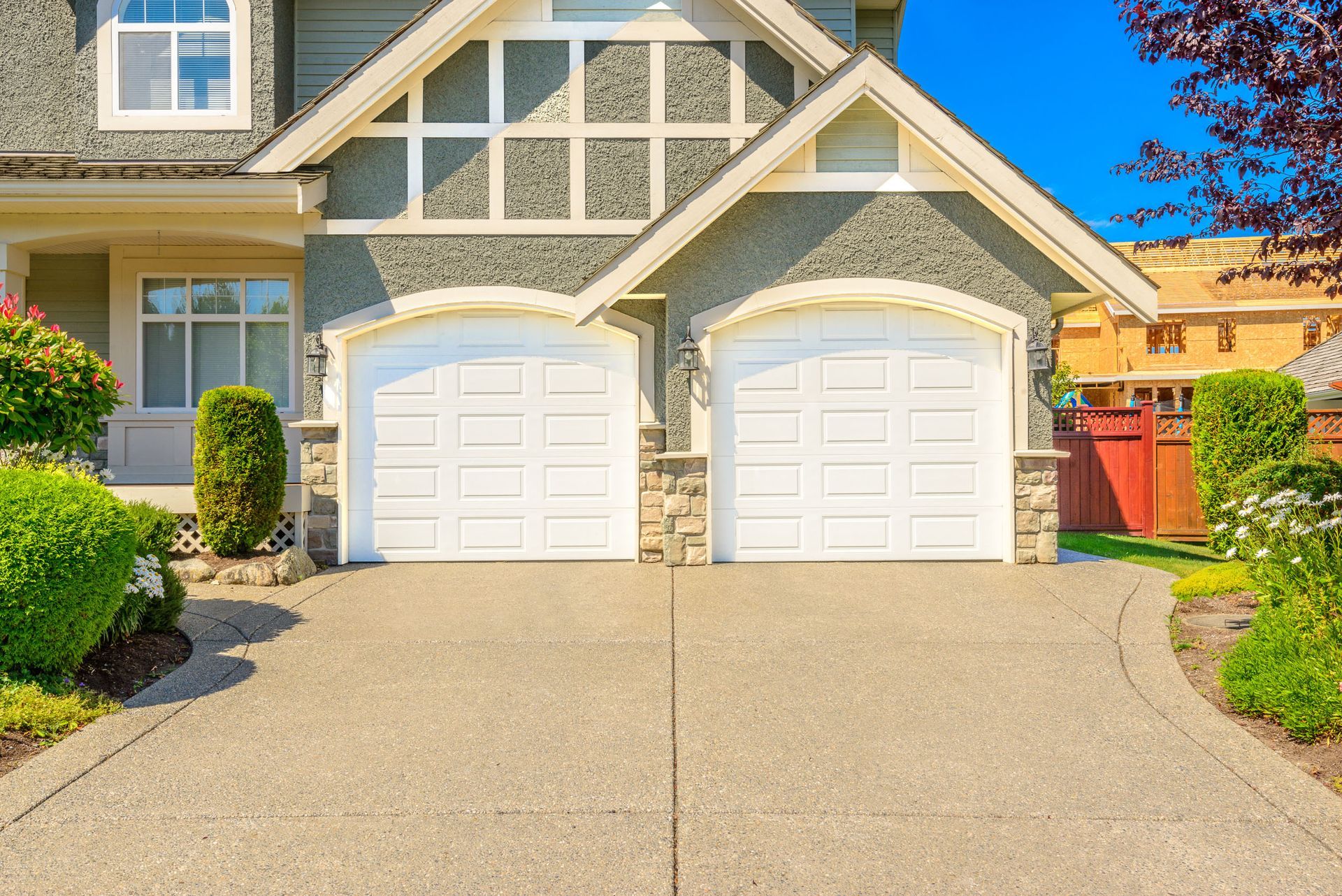
A properly paved asphalt driveway plays a key role in shaping how a home is perceived, especially when it comes to overall curb appeal and long-term property value. Asphalt paving offers a smooth, consistent surface that complements a wide range of home styles while supporting practical everyday use. Homeowners often consider asphalt paving as part of broader exterior improvements that contribute to a more polished and functional property appearance. In discussions about exterior materials and surface durability, asphalt paving is frequently referenced as a dependable option for residential driveways.
Beyond appearance, asphalt paving is commonly evaluated for how it supports long-term usability and maintenance expectations. A well-installed surface helps create a clean, uniform entry point to the home that aligns with other exterior features such as landscaping and walkways.
Asphalt paving is often included in conversations about residential upgrades because it balances function and visual appeal. Over time, homeowners may look at asphalt paving as part of an overall strategy to enhance both practicality and presentation of their property exterior.
In many home improvement discussions, asphalt paving is also considered in relation to durability and long-term performance under regular use.
The condition of a driveway can influence first impressions, making asphalt paving a frequent topic when evaluating exterior upgrades that support property value. Asphalt paving is often selected for its ability to maintain a consistent surface appearance over time with proper care. As part of broader driveway planning, asphalt paving continues to be a widely used solution for residential properties looking to improve overall exterior appeal.
1. Presenting Exterior Appeal
Exterior presentation plays a major role in how a building is perceived, especially when considering long-term maintenance strategies and surface materials like asphalt paving. Regular facade cleaning and maintenance help preserve the appearance of exterior surfaces, keeping buildings clean, presentable, and visually well-maintained. These efforts also contribute to consistent curb appeal across commercial and residential properties. Asphalt paving is sometimes referenced in broader exterior planning conversations, even though it serves a different functional purpose than vertical building maintenance.
High-access window cleaning ensures clear visibility and a polished appearance across multi-level structures, especially on high-rise or complex buildings. Routine exterior upkeep helps prevent buildup of dirt, pollutants, and environmental residue on building materials, supporting a cleaner overall finish. Asphalt paving is occasionally used as a comparison point when discussing surface maintenance expectations, even though its application differs from building facade care. Maintaining external components such as cladding and metalwork helps preserve a uniform appearance across the building exterior.
2. Strengthening Structural Longevity
Supporting building longevity requires ongoing attention to both visible and structural elements of a property, and discussions sometimes reference asphalt paving when comparing long-term surface durability concepts. Regular inspections allow potential structural concerns to be identified early, helping prevent more extensive damage over time. These inspections are especially important for elevated or difficult-to-access areas where issues may otherwise go unnoticed. According to The Spruce, asphalt driveways typically last up to 20 years, depending on usage and maintenance. Asphalt paving is often mentioned in general infrastructure comparisons due to its widespread use in exterior surface applications.
Rope access methods make it possible to reach elevated and confined areas such as facades, shafts, and structural edges that are otherwise difficult to access. Addressing minor issues promptly helps reduce long-term deterioration and supports the ongoing performance of exterior building systems. In broader maintenance discussions, asphalt paving is sometimes referenced when comparing different types of surface longevity across environments. Ongoing maintenance of cladding and building envelope components helps extend the lifespan of exterior structures.
3. Conducting Inspection and Safety Work
Inspection and safety support services play a critical role in maintaining structural integrity, and even unrelated materials like asphalt paving are sometimes referenced in discussions about overall infrastructure maintenance standards. Specialist technicians carry out detailed inspections of elevated and restricted-access areas to assess condition and identify maintenance needs. These evaluations help ensure that building systems remain functional and safe over time. Consistent inspection practices also support early detection of potential risks across complex structures.
Inspection of installed safety systems helps ensure they remain functional and suitable for ongoing operational use. Careful planning supports safe execution of maintenance and inspection work in complex or restricted environments. Asphalt paving is occasionally mentioned in broader safety discussions as part of general infrastructure comparisons, even though it relates to ground-level surface applications. These coordinated inspection efforts contribute to safer and more efficient building management overall.
4. Executing Maintenance and Repairs
Maintenance and repair services focus on preserving exterior building performance, and in broader property discussions, asphalt paving is sometimes used as a reference point for comparing maintenance cycles across different surface types. Rope access allows targeted repair work on building exteriors without the need for scaffolding, reducing disruption to occupants and operations. This approach enables efficient access to areas that would otherwise require extensive setup or equipment. It also supports timely intervention when issues are identified during inspections.
Damaged or worn cladding can be repaired or maintained efficiently using rope access methods to reach affected areas directly. Steel structures and external building components can be maintained to support long-term durability and performance. Asphalt paving is occasionally referenced in maintenance comparisons due to its structured upkeep requirements over time. These combined maintenance efforts help ensure that building exteriors remain functional and visually consistent.
5. Installing at Elevated Locations
Installation work in elevated environments requires special access methods, and even general infrastructure topics like asphalt paving are sometimes referenced when discussing project coordination across different surface types. Lighting, signage, and other external components can be installed safely at height using rope access techniques. This method allows precise placement without the need for large-scale access equipment. It also reduces disruption to surrounding building operations.
Projects requiring elevated or restricted access benefit from rope access methods that eliminate the need for extensive scaffolding systems. Asphalt paving is occasionally mentioned in broader construction planning discussions due to its role in exterior site development. These installation techniques provide flexibility when working across complex building structures. They also help maintain efficiency in environments where access is limited.
6. Protecting Exterior Environments
Environmental and site protection services help maintain building cleanliness and safety, and even asphalt paving is sometimes referenced in general infrastructure comparisons related to surface exposure and environmental wear. Protective systems can be installed to reduce nesting and roosting on building exteriors, helping maintain cleanliness and surface condition. These measures are particularly important for preserving exterior materials over time. They also contribute to reducing ongoing maintenance demands.
Netting and other protective installations help safeguard building areas and maintain safety in exposed or high-risk zones. Asphalt paving is occasionally used in broader discussions of environmental exposure due to its widespread use in exterior environments. These systems are designed to support long-term building protection and operational efficiency. They also help maintain consistent exterior conditions across complex structures.
Rope access services offer a practical way to maintain, inspect, repair, and enhance buildings while avoiding the need for traditional scaffolding systems. This approach helps keep exterior surfaces in good condition, supports safer working environments, and allows technicians to reach difficult areas with minimal disruption to ongoing operations. While unrelated in function, asphalt paving is sometimes referenced in broader property maintenance conversations when comparing exterior durability concepts. For commercial and complex structures where conventional access methods are limited or impractical, Highline Pavement Maintenance provides specialized rope access solutions designed to support ongoing building care and performance. Learn more.