July 11, 2026
When it comes time to upgrade or install a new driveway, homeowners face a critical decision regarding the best material to use. The choice usually narrows down to these popular options, each offering distinct benefits and potential drawbacks for residential properties. Deciding which surface will best complement your house requires careful consideration of various factors, including initial costs, ongoing upkeep, and overall longevity. Many property owners lean toward asphalt paving due to its widespread popularity, while others prefer the distinct look of poured concrete. Both materials have a proven track record, but the ideal solution depends heavily on your specific needs, location, and aesthetic preferences. A driveway is a significant investment that impacts your home's curb appeal and everyday functionality. Therefore, understanding the key differences between these leading materials is essential before breaking ground. By examining the unique characteristics of each option, you can make an informed choice that enhances your property value and serves your household well for years to come.
Evaluating Upfront Affordability
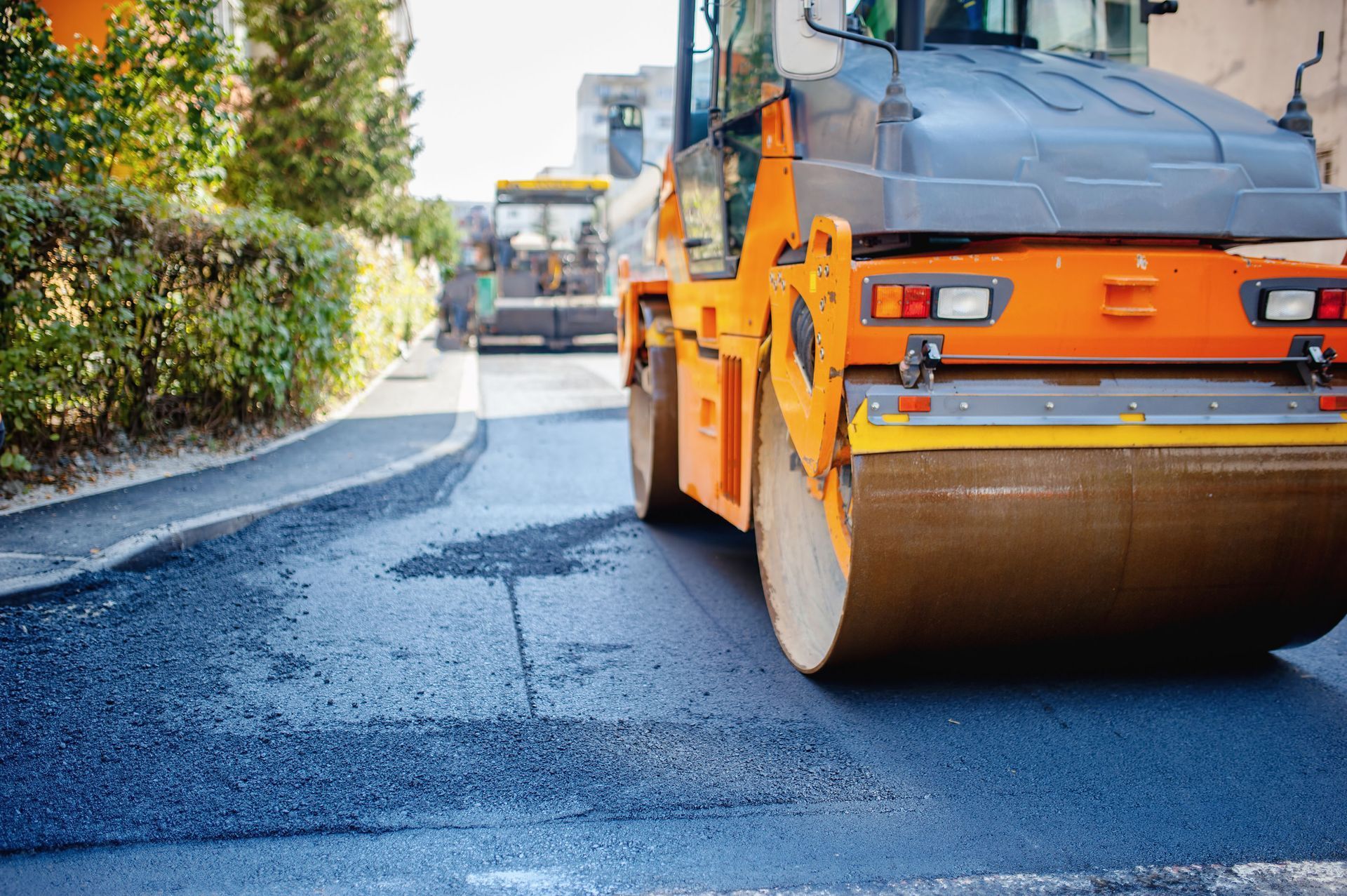
Budget is frequently the primary concern for any significant home improvement project, and driveway installation is no exception. Comparing the initial financial commitment required for these materials often reveals a clear divide. Generally, asphalt paving requires a substantially lower upfront investment compared to its concrete counterpart. This lower barrier to entry makes it a highly attractive option for homeowners looking to maximize their property improvements without draining their savings. The installation process for the dark, flexible material is typically faster and less labor-intensive, which directly translates to reduced labor costs on your final bill. On the other hand, concrete involves a more complex preparation and curing process, driving the initial price higher.
However, evaluating affordability means looking beyond just the initial installation quote. You must also consider the value you receive for that initial expenditure. According to Today's Homeowner, asphalt is a budget-friendly driveway material that offers a smooth, durable surface and can last up to 25 years when properly maintained. This demonstrates that a lower upfront cost does not necessarily mean compromising on long-term utility or surface quality. By carefully weighing your current budget constraints against the value provided, you can determine which initial investment aligns best with your financial goals.
Understanding Ongoing Maintenance
Every exterior surface requires some level of upkeep to preserve its functionality and appearance, but the maintenance schedules for these materials differ significantly. Homeowners choosing asphalt paving must be prepared for a more regular maintenance routine. To keep the dark surface looking fresh and to protect it from the elements, a protective sealcoat should be applied periodically. This routine sealing helps prevent moisture penetration and oxidative degradation caused by sun exposure. While this requires a recurring commitment of time and resources, the process is relatively straightforward and affordable.
Conversely, concrete requires less frequent maintenance, often needing only occasional power washing to remove stains or dirt. However, when concrete does require repairs, the process can be significantly more complex and expensive. Fixing a cracked or sunken concrete slab is generally much harder than patching a small area of a flexible blacktop surface. Therefore, the decision often comes down to your personal preference regarding upkeep. You must decide whether you prefer a material that needs regular, low-cost maintenance or one that requires less frequent but potentially more costly interventions. A proactive approach to surface care, regardless of the material chosen, is the best way to ensure your driveway remains in top condition.
Comparing Surface Durability
The ability to withstand daily wear and tear is a crucial factor when selecting a driveway material. Both options offer impressive durability, but they achieve it in entirely different ways. Concrete is inherently rigid and incredibly strong, allowing it to easily support heavy vehicles without warping or rutting over time. Its solid structure is highly resistant to surface wear, making it a robust choice for driveways that experience intense use. In contrast, the nature of asphalt paving is defined by its flexibility. This pliability allows the surface to give slightly under immense pressure rather than snapping or breaking.
This characteristic is particularly beneficial when the ground shifts or settles, as the flexible surface can adapt to minor changes without sustaining severe structural damage. While a rigid concrete slab might crack under the same shifting conditions, the flexible alternative will typically bend slightly, maintaining its integrity. However, this same flexibility means that heavy, stationary objects might leave slight impressions on the darker surface on an incredibly hot day. Understanding these distinct approaches to durability helps clarify which material might better suit your specific vehicular needs and the underlying soil conditions of your property. Ultimately, both materials provide a sturdy foundation for daily residential use.
Analyzing Aesthetic Appeal
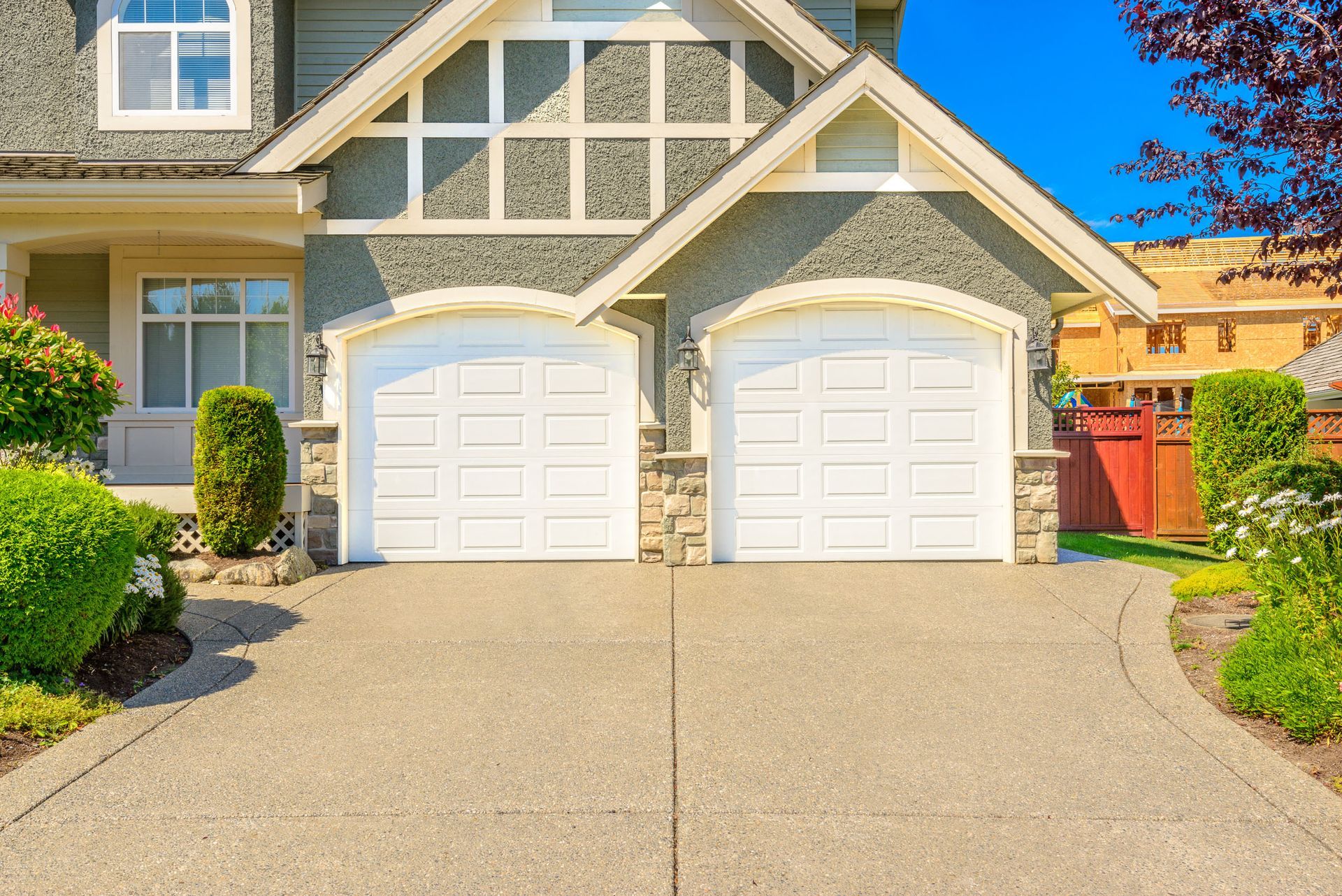
Curb appeal plays a massive role in residential property value, meaning the visual impact of your driveway cannot be ignored. The aesthetic differences between the leading materials are striking and cater to different design preferences. Concrete offers a bright, clean, and highly versatile appearance. It can be stamped, stained, or brushed to mimic the look of expensive stone or brick, providing endless customization options to match your home's exterior design. This versatility makes it a favorite for homeowners seeking a highly personalized look. Alternatively, asphalt paving delivers a sleek, uniform, and classic aesthetic.
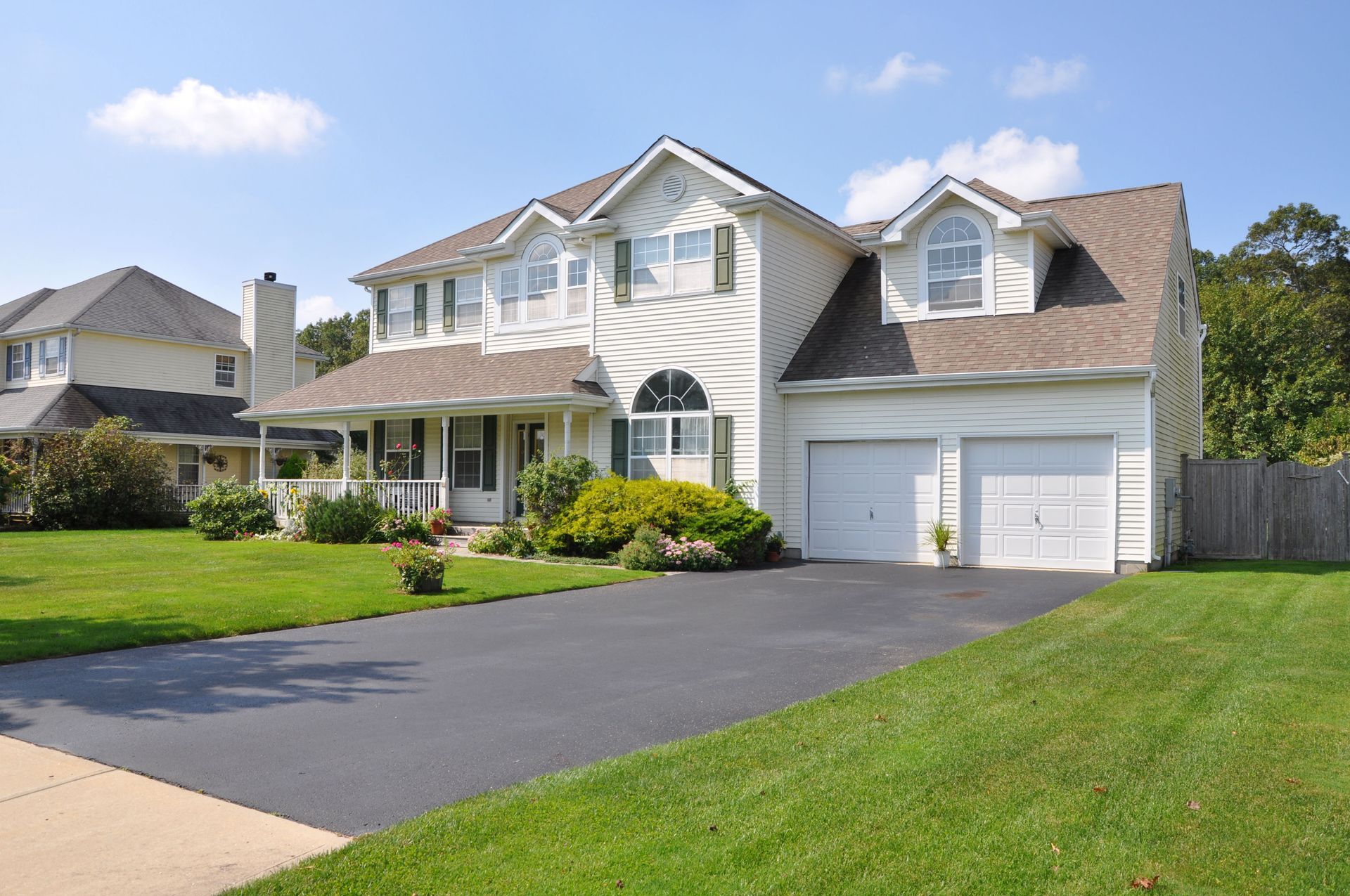
The rich, dark color provides a striking contrast against green landscaping and light-colored home exteriors, creating a sophisticated and grounded appearance. While it lacks the decorative versatility of stamped concrete, its seamless and tidy look appeals to those who favor a minimalist or traditional design. Furthermore, the dark surface easily hides oil stains and tire marks that would otherwise be glaringly obvious on a lighter concrete surface. Choosing between the options often comes down to whether you prefer the bright, customizable nature of concrete or the sleek, forgiving, and timeless appearance of a dark, continuous surface.
Considering Climate Compatibility
The geographical location of your home and the local climate should heavily influence your driveway material decision. Temperature fluctuations and severe weather events impact these surfaces differently. In regions that experience harsh, freezing winters, asphalt paving often holds a distinct advantage. Its dark color helps absorb heat from the winter sun, melting snow and ice much faster than a lighter surface would. More importantly, its flexible composition allows it to expand and contract during extreme freeze and thaw cycles without sustaining massive damage. Rock salt, commonly used to melt ice, also does not deteriorate this surface. Concrete, on the other hand, can struggle in freezing environments.
The rigid nature of a concrete slab makes it highly susceptible to cracking when moisture seeps in and freezes. Additionally, the salt used for de-icing can cause the surface of the concrete to pit and degrade over time. Conversely, in excessively hot climates, concrete remains relatively cool to the touch and maintains its rigid structure, whereas a darker, flexible surface might become slightly tacky under the intense midday sun. Therefore, carefully evaluating your typical local weather patterns is absolutely essential for maximizing the lifespan of your chosen driveway material.
Making the final choice for your residential driveway requires a thoughtful evaluation of your budget, maintenance willingness, aesthetic goals, and local climate conditions. Both materials present strong arguments for their use, providing reliable surfaces for daily vehicle parking and pedestrian access. If you prioritize a lower initial investment, winter weather resilience, and a sleek dark finish, you will likely find that asphalt paving is the ideal solution for your property. Conversely, if you prefer minimal maintenance and extensive design customization, concrete might be your preferred route. Whichever path you choose, professional installation is paramount to ensuring the longevity and performance of the surface. A poorly installed driveway will fail prematurely regardless of the material used.
Protect your investment by working with experienced professionals who understand the nuances of proper driveway construction. When you are ready to upgrade your property with a beautiful and resilient new surface, call Highline Pavement Maintenance to learn more about your options and receive expert guidance tailored to your home.