November 4, 2026
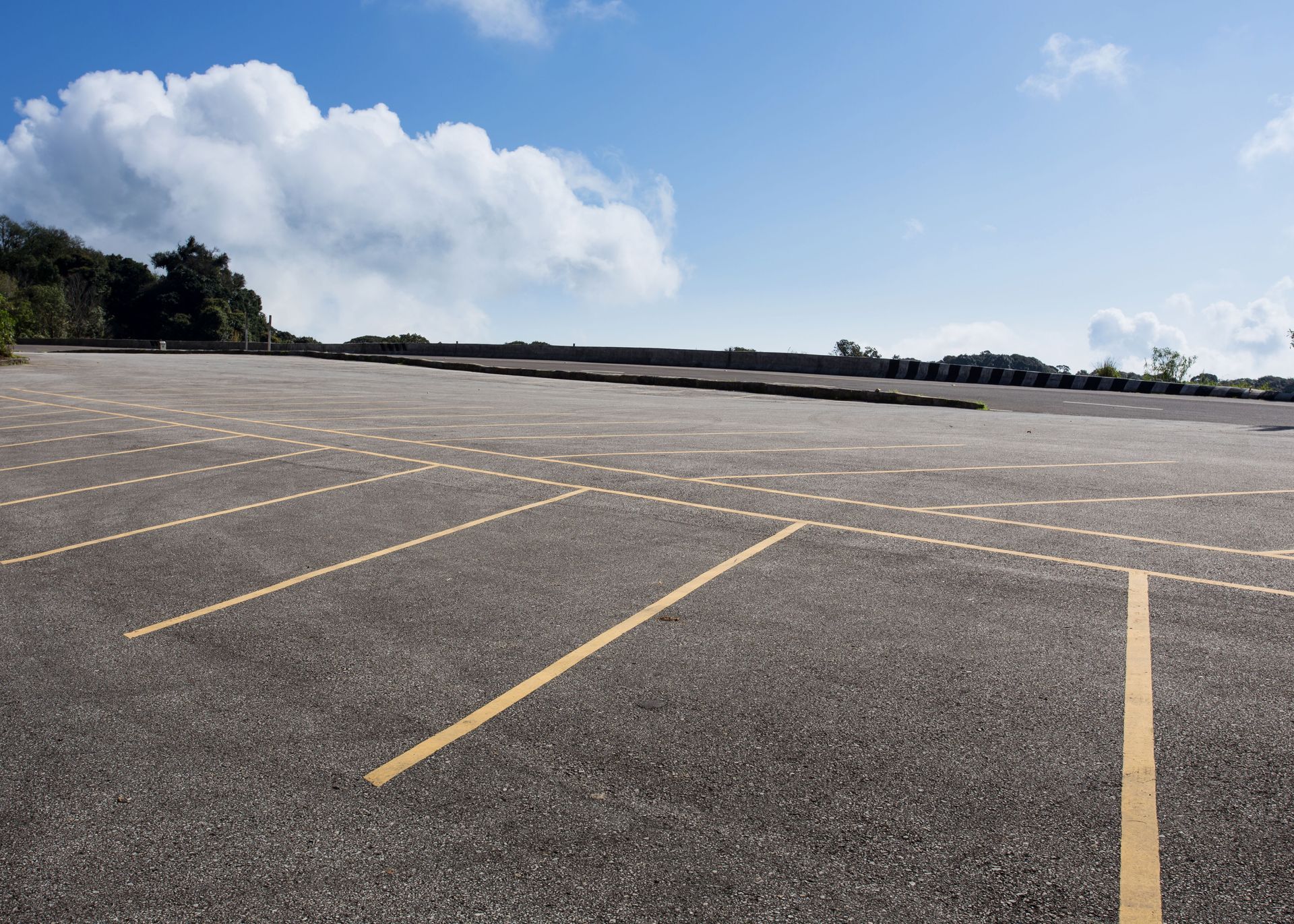
Parking lot efficiency depends in part on how clearly available spaces, traffic paths, and designated areas are laid out. When pavement markings are inconsistent, poorly positioned, or difficult to see, drivers may have more difficulty navigating the property and using the available parking area. This article covers six common parking lot layout mistakes that can affect line striping efficiency and explains practical ways to address them.
A well-planned parking lot layout can make designated spaces easier to identify while creating clearer paths for vehicle movement. Regular attention to pavement conditions and markings can also help keep the lot organized as normal traffic and weather gradually affect the surface. Reviewing the layout periodically can help identify areas where updated markings may improve organization.
1. Undersized Parking Spaces
Review Space Dimensions
Undersized parking spaces can make a parking lot more difficult to use efficiently. When spaces are too small for the vehicles using them, drivers may have more difficulty parking and maneuvering through the lot. Poorly proportioned spaces can also affect how the available pavement is used, particularly when a property has an outdated or inefficient layout.
Adjust Existing Markings
Reviewing the size and placement of designated spaces can help identify opportunities to improve the arrangement. When existing markings no longer fit the property's needs, adjusting the layout and refreshing the pavement markings can create a more organized parking area. Properly positioned lines also make designated spaces easier for drivers to identify.
Assess Available Pavement
Parking lot layout adjustments should account for the existing pavement and the property's intended use. Assessing the designated spaces before striping work begins can help determine whether markings should be refreshed, repositioned, or redesigned. These changes can help create a clearer arrangement across the available parking area.
2. Poor Traffic Flow
Plan Traffic Paths
Poorly planned traffic flow can make a parking lot harder to navigate. When directional markings and designated spaces do not create a clear path through the property, drivers may have difficulty determining where to travel or how to move around parked vehicles. A thoughtful layout can make vehicle movement more organized and help the available pavement function more effectively.
Define Traffic Areas
Directional arrows and traffic-flow indicators can help communicate how vehicles should move through a parking area. Other markings, including fire lanes, no-parking zones, loading zones, and designated pedestrian areas, can further define how different portions of the property should be used. Clear line striping can help reinforce these distinctions across the lot.
Evaluate Existing Layouts
When an existing parking layout is no longer working well, adjusting the designated spaces and pavement markings can help create a more functional arrangement. Evaluating the pavement and current layout first provides an opportunity to identify areas where markings may need to be changed or refreshed. This approach can help align the markings with the way the property is intended to function.
3. Clear Accessibility Requirements
Identify Accessible Spaces
Accessible parking spaces need to be clearly identified within a parking lot layout. When designated spaces are faded, incorrectly positioned, or difficult to distinguish, the overall organization of the parking area can suffer. Accessibility should therefore be considered when planning or updating pavement markings.
Mark Designated Areas
Handicap space marking is part of parking lot striping and marking services, and appropriately marked spaces make designated accessible parking areas easier to identify. High-quality pavement markings can also help maintain a clear distinction between accessible spaces and other areas of the lot. Clear line striping can reinforce the organization of designated parking areas.
Refresh Existing Markings
When existing markings have become difficult to see or no longer reflect the current layout, refreshing or adjusting them can restore clarity. Reviewing designated spaces before striping work begins can also help confirm applicable requirements and determine where updated markings are needed. Maintaining clearly defined spaces can support a more organized parking area.
4. Inconsistent Striping Patterns
Maintain Consistent Spacing
Inconsistent striping patterns can disrupt the organization of a parking lot. Variations in line spacing, parking bay placement, or the positioning of designated areas can make it harder for drivers to understand where spaces begin and end. A consistent layout gives the parking area a clearer structure and makes individual spaces easier to identify.
Position Parking Spaces
Mixing different parking arrangements without a clear plan can also make navigation more difficult. Parking spaces should be positioned with the overall movement of vehicles through the property in mind. Consistent spacing and clearly defined traffic paths can help make better use of the available pavement.
Reposition Misaligned Bays
Misaligned parking bays can create additional inefficiencies by leaving uneven spaces between vehicles or reducing the usefulness of portions of the lot. When a layout needs to be updated, redoing the stripes can provide an opportunity to reposition designated spaces and establish a more consistent pattern across the property. Reviewing the existing arrangement can help determine where line striping adjustments are appropriate.
5. Faded Markings
Monitor Faded Lines
Parking lot markings can become faded through normal exposure to sunlight, moisture, and vehicle traffic. As lines become less distinct, designated spaces and traffic indicators can become harder to identify. Regular attention to pavement markings can help maintain a clear and organized parking layout.
Address Pavement Conditions
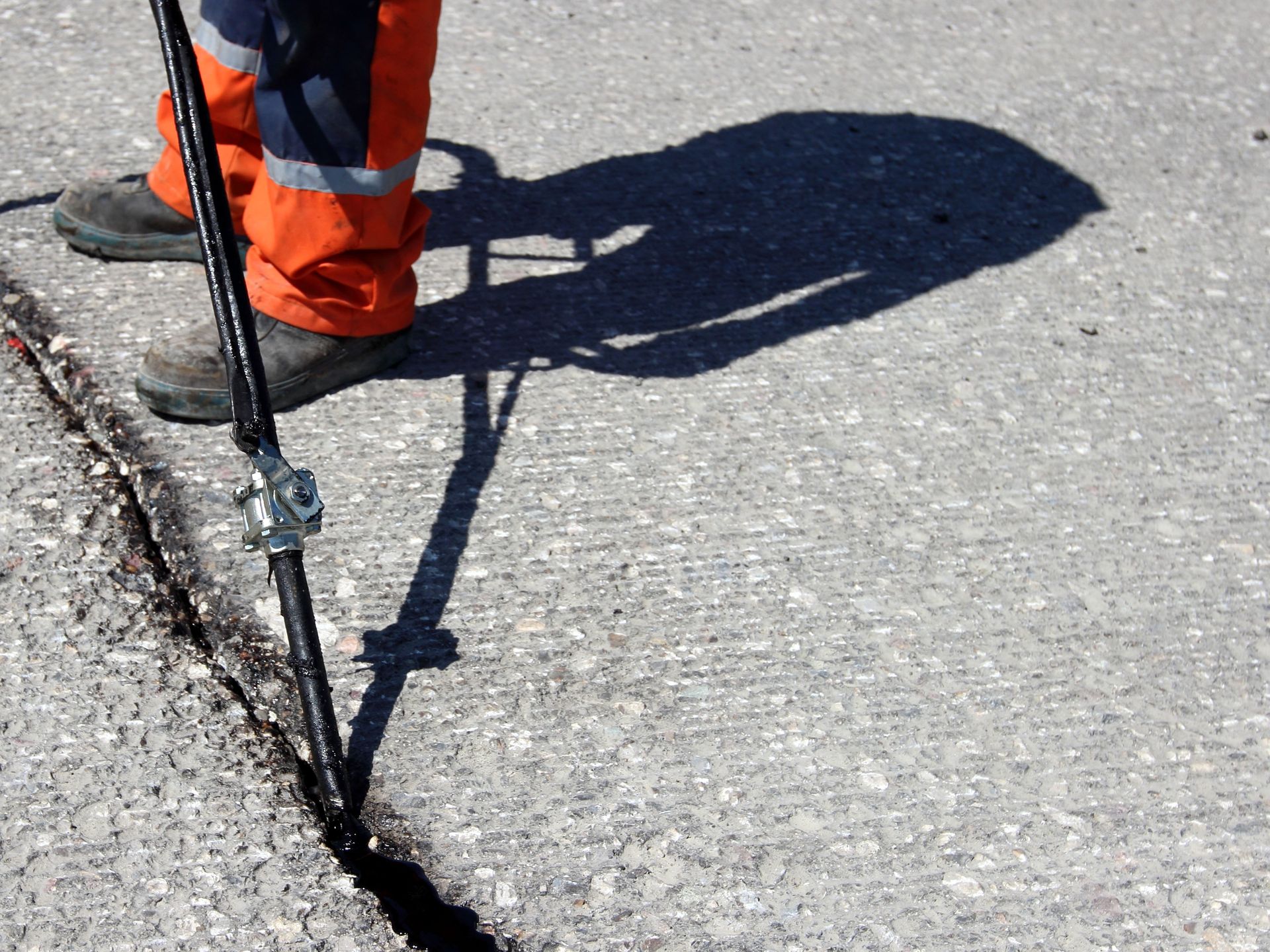
According to HomeAdvisor, line striping runs $0.06 to $0.16 per square foot on average, with costs varying widely depending on the type and complexity of the markings. Pavement condition also plays an important role in maintaining effective markings. Cracks, potholes, and other surface damage can affect the pavement beneath parking lot striping.
Refresh Worn Markings
Addressing pavement conditions can help prepare the surface for continued use and updated markings. Parking lot striping services can include refreshing faded lines, repainting designated spaces, and updating traffic-flow indicators. Maintaining clear markings over time can help preserve the organization established by the original parking lot layout.
6. Harsh Weather Conditions
Account for Weather Effects
Weather conditions can gradually affect pavement and parking lot markings. Sunlight, moisture, and vehicle traffic can wear down markings over time, while rain and standing water can contribute to pavement deterioration. Accounting for these conditions can help property owners recognize when pavement maintenance or refreshed striping may be appropriate.
Address Drainage Problems
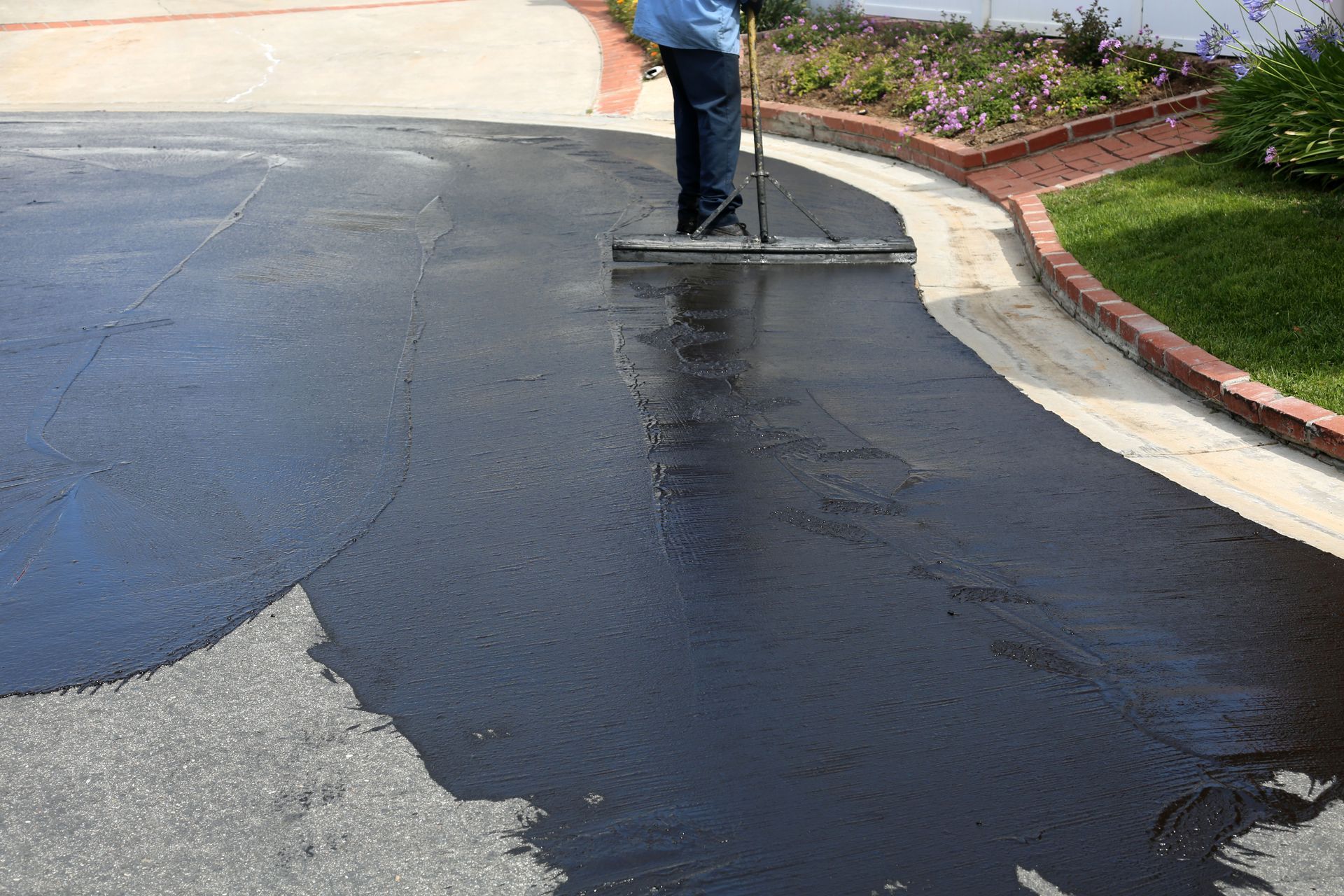
Drainage problems can also affect pavement conditions and should not be overlooked when evaluating a parking area. Addressing drainage concerns alongside pavement maintenance can help protect the condition of the surface. Asphalt services can address cracks, potholes, surface deterioration, and other pavement problems that may affect the areas being marked.
Evaluate Ongoing Wear
Regular evaluation can help identify when parking lot markings need to be refreshed or when pavement conditions should be addressed first. Keeping the pavement and its markings in appropriate condition supports a clearer, more functional parking area through changing weather and normal use. Proper maintenance can also help keep line striping visible as the pavement experiences continued exposure and traffic.
Parking lot layout mistakes can make designated spaces harder to identify, complicate traffic flow, and reduce the usefulness of available pavement. Reviewing space dimensions, traffic patterns, accessibility markings, striping consistency, pavement conditions, and weather-related wear can help property owners determine where updates may be needed. Addressing these considerations can help create a more organized parking area.
From parking spaces and handicap markings to directional arrows, fire lanes, crosswalks, loading zones, and other pavement markings, a well-planned layout can create a more organized parking area. When markings fade or a property's needs change, learn more about parking lot striping and marking services from Highline Pavement Solutions, along with asphalt paving, repair, sealcoating, concrete work, and light excavation. These services can address both pavement conditions and the markings used to organize the property.