November 5, 2026
Choosing the right contractor for a paving project can make a significant difference in the appearance, durability, and long-term maintenance needs of your property. Whether you need a new driveway, parking lot installation, or repairs to an existing asphalt surface, asking the right questions before hiring a contractor can help you make an informed decision. A reliable asphalt company should be able to explain its services, outline the project timeline, and help you understand what to expect from the work.
Asphalt is a popular paving material for residential and commercial properties because it provides a smooth, functional surface for vehicles and pedestrians. However, the quality of the finished pavement depends on several factors, including proper site preparation, material selection, installation techniques, and ongoing maintenance. Understanding these factors can help you evaluate potential contractors and determine which one is best suited to your project.
What Services Do You Offer?
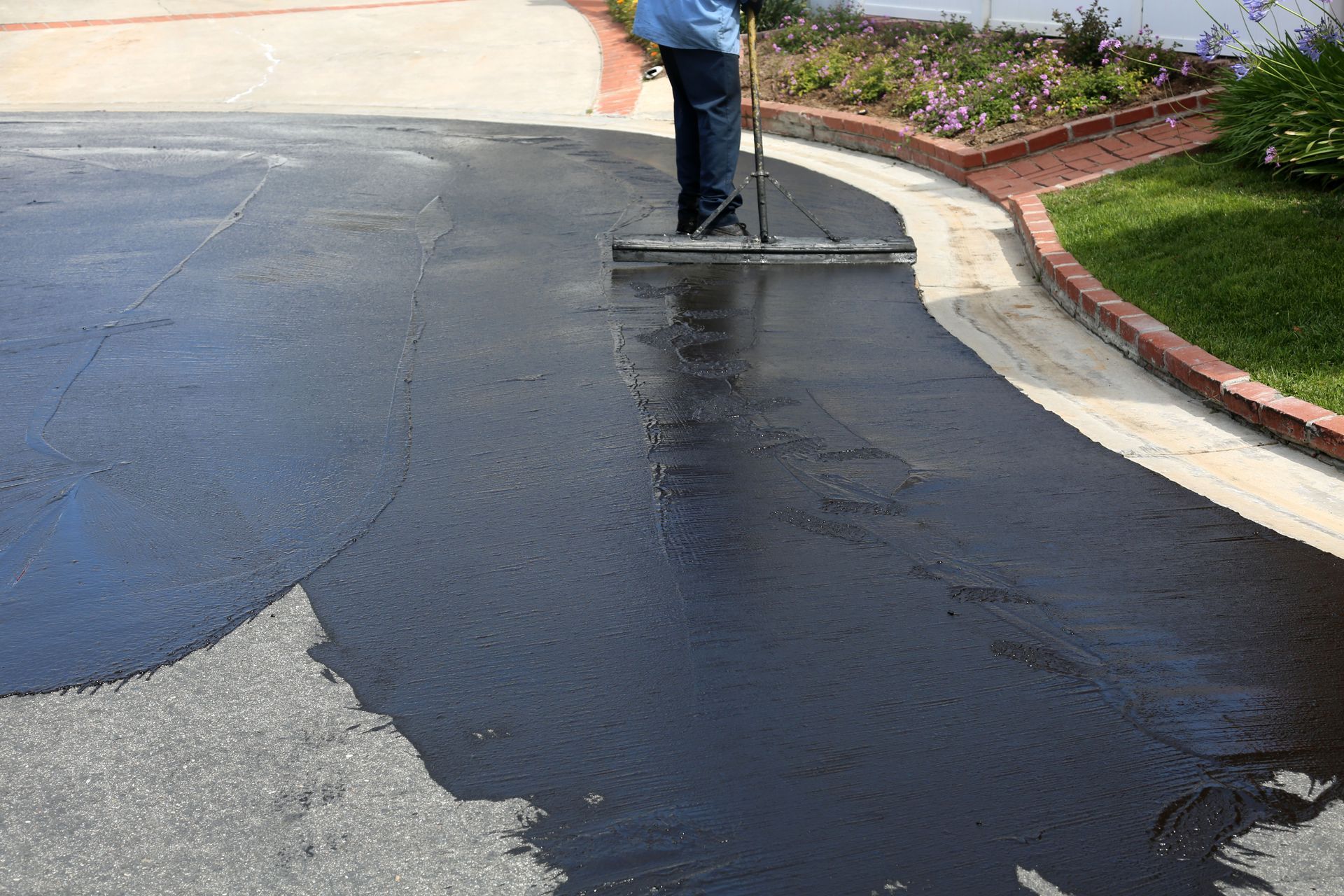
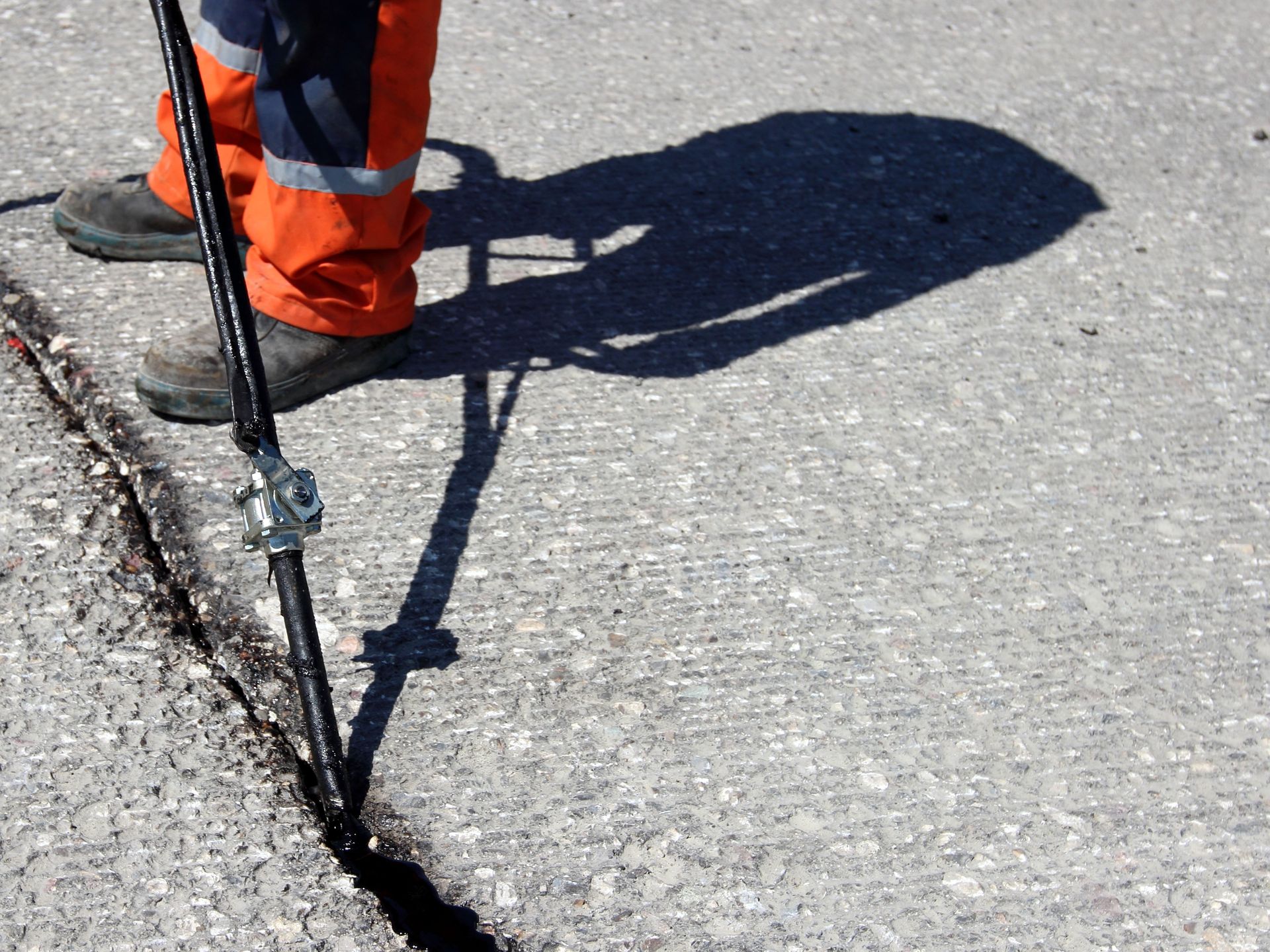
The first question to ask is whether the contractor provides the specific services your property needs. Asphalt paving involves more than installing a new surface. Depending on the condition of your pavement and the goals of your project, you may need installation, resurfacing, patching, crack filling, or other maintenance services.
For example, a driveway with widespread deterioration may require a different approach than a parking lot with a few isolated cracks. Similarly, a commercial property with frequent vehicle traffic may need a paving solution designed to accommodate heavier loads. Understanding the available services can help you determine whether a contractor has the right capabilities for your situation.
Ask whether the company handles residential projects, commercial properties, or both. You may also want to discuss related services, such as grading, drainage improvements, and pavement preparation. These details are important because addressing underlying problems before paving can help reduce the likelihood of premature damage.
A qualified asphalt company should be willing to assess your property and explain which services are appropriate for its current condition. Rather than recommending the same solution for every project, the contractor should consider your pavement's age, existing damage, intended use, and budget before outlining a plan.
How Much Experience Do You Have?
Experience is another important consideration when comparing paving contractors. Although every project is different, companies with relevant experience may be better prepared to recognize potential challenges and recommend practical solutions.
Ask how long the company has been in business and what types of paving projects it regularly completes. If you are planning a large parking lot installation, for instance, you may want to learn about the contractor's experience with similar commercial properties. For a residential driveway, examples of previous driveway projects may be more relevant.
You can also ask whether the company has completed projects involving conditions similar to those on your property. Uneven ground, drainage concerns, heavy traffic, and existing pavement deterioration can all influence how a paving project should be approached.
Requesting references or reviewing a portfolio of completed work can provide additional insight. Photographs may help you evaluate the appearance of finished surfaces, while references can offer information about communication, scheduling, and the overall project experience.
Keep in mind that years in business alone do not guarantee quality. It is also important to consider the contractor's approach to planning, attention to detail, and ability to explain the work involved. An experienced asphalt company should be able to answer your questions clearly and discuss how its team plans to address your property's specific needs.
What Is Included in Your Estimate?
Before committing to a paving project, ask for a detailed written estimate. Understanding the costs involved can help you compare proposals accurately and avoid confusion about what you are paying for.
A paving estimate may include labor, materials, site preparation, grading, equipment, and cleanup. Depending on the project, additional costs could arise from removing old pavement, correcting drainage problems, or addressing unstable areas beneath the surface. Asking about these potential expenses in advance can make budgeting easier.
You should also clarify whether the estimate covers the entire project or whether certain tasks are billed separately. For example, a proposal might include installing asphalt but exclude repairs to the underlying base. If that distinction is not clear, you could face unexpected costs once work begins.
When comparing estimates, avoid choosing a contractor based on price alone. A lower quote may reflect a smaller project scope, different material specifications, or less extensive preparation. Ask each company to explain what its estimate includes so you can evaluate the proposals on similar terms.
It is also helpful to ask how unexpected conditions will be handled. If workers discover soft soil or additional pavement damage during preparation, will the company notify you before performing extra work? Understanding the process for approving additional expenses can help prevent disagreements.
A professional asphalt company should provide a clear explanation of its pricing and give you an opportunity to ask questions before agreeing to the project.
How Do You Prepare the Site?
Proper preparation plays a major role in the performance of an asphalt surface. Even quality paving materials may develop problems prematurely if the ground beneath them is unstable or the site has not been prepared correctly.
Ask the contractor to explain the preparation process for your property. Depending on the existing conditions, the work may involve removing damaged pavement, clearing debris, grading the area, and establishing a suitable base. These steps help create a stable foundation for the asphalt.
Drainage should also be part of the conversation. Water that collects on pavement or seeps into vulnerable areas can contribute to deterioration over time. Proper grading helps direct water away from the surface and reduces the likelihood of standing water. If your property already experiences drainage problems, ask how the contractor plans to address them before installation.
You may also want to discuss the thickness of the asphalt layer and the underlying base. These specifications should reflect the intended use of the surface, including the type and frequency of traffic it will support. A residential driveway and a commercial loading area may have very different requirements.
What Materials and Installation Methods Do You Use?
Not all paving projects have identical material requirements. Asking about the asphalt mix, installation methods, and project specifications can help you understand how the contractor intends to achieve the desired results.
Different asphalt mixtures may be suitable for different applications. Factors such as expected traffic, environmental conditions, and the intended function of the surface can influence material selection. Your contractor should be able to explain why a particular mix is appropriate for your driveway, parking lot, or other paved area.
You can also ask how the company determines the appropriate pavement thickness. Surfaces that regularly support heavier vehicles may require different specifications from those designed primarily for passenger cars. Choosing suitable materials and thicknesses can help the pavement accommodate its intended use.
Installation conditions matter as well. Asphalt must be placed and compacted appropriately to create a consistent surface. Ask how the crew approaches compaction, manages installation conditions, and checks the finished pavement for visible inconsistencies.
According to Today's Homeowner, asphalt is a budget-friendly driveway material that offers a smooth, durable surface and can last up to 25 years when properly maintained. This potential lifespan highlights why material selection, installation quality, and regular upkeep deserve careful consideration.
A knowledgeable asphalt company should be able to explain its recommendations in straightforward terms. You do not need to understand every technical detail, but you should feel comfortable asking why particular materials or methods are being used for your project.
By taking the time to evaluate your options, you can make a more informed decision about your paving project. Whether you are planning a new driveway, updating a parking lot, or repairing an existing surface, asking the right questions helps you understand what to expect and establish clear expectations from the beginning. For an
asphalt company you can rely on, contact Highline Pavement Solutions today.