November 14, 2026
Paving a residential driveway, commercial parking area, or private access road represents a major structural enhancement that directly impacts property accessibility and curb appeal. When properly engineered and installed, blacktop pavement provides a resilient, smooth, and durable driving surface capable of enduring heavy vehicular traffic and challenging weather patterns. However, achieving superior results requires specialized heavy equipment, precise material temperature control, and seasoned craftsmanship. Property owners embarking on a paving project often explore various local asphalt companies, discovering that operational methods, structural standards, and technical qualifications differ significantly across different crews.
Because paving represents an enduring architectural improvement, asking pointed questions before signing an agreement is essential to protecting your property. Engaging with prospective contractors through an organized inquiry process allows you to evaluate site preparation standards, drainage design, and long-term surface resilience. Knowing the right inquiries to pose gives you total confidence during the hiring process, ensuring you partner with skilled professionals who prioritize meticulous craftsmanship over rushed execution.
1. What Specific Subbase Preparation Steps Do You Execute?
The long-term performance of any paved surface depends entirely on the stability, composition, and compaction of the underlying base. Without a solid foundation, even the highest grade asphalt will quickly succumb to shifting soils, rutting, alligator cracking, and premature structural failure. Seasoned asphalt companies recognize that ground excavation and subgrade evaluation constitute the foundation of the entire installation. During your initial conversations, inquire about soil classification procedures, aggregate stone depths, and compaction testing methods used to establish a stable structural platform.
Reputable contractors carefully assess the existing soil composition, taking extra care to identify spongy clay, excessive moisture, or organic debris that must be excavated and replaced with crushed aggregate base material. They systematically compact the aggregate using heavy vibratory rollers to achieve maximum load-bearing density before laying any surface material. Understanding how a crew prepares the subterranean base ensures that your investment remains smooth, stable, and resilient against heavy vehicle loads.
In addition to aggregate compaction, proper preparation requires adequate time for subbase stabilization. Experienced technicians evaluate moisture content within the crushed stone to prevent settling pockets from forming beneath the hot mix. By confirming that your paving team adheres to strict subbase stabilization protocols, you safeguard your driveway or parking lot from premature depression and shifting.
2. What Installation Equipment and Crew Experience Do You Utilize?
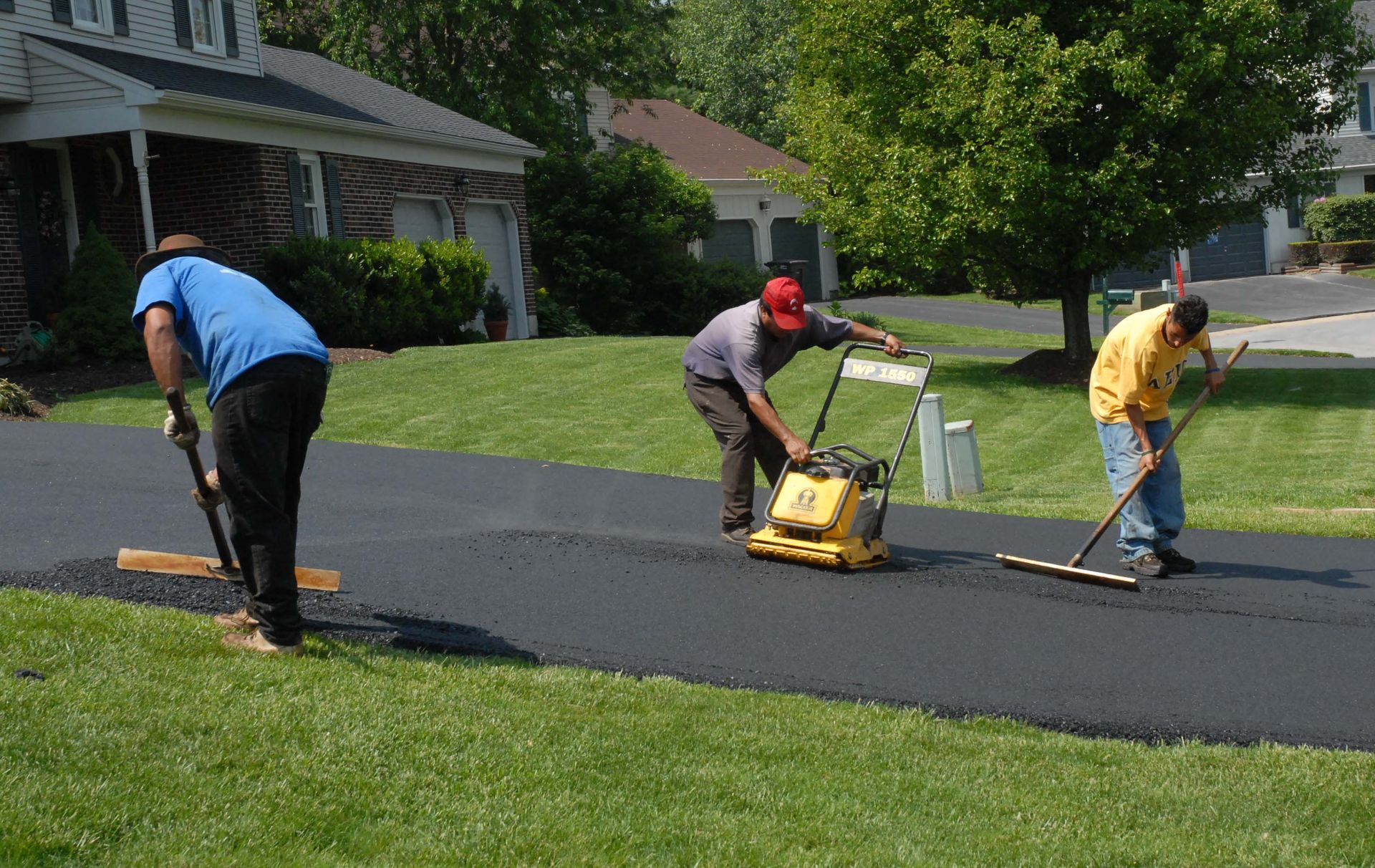
Asphalt installation is a complex, time-sensitive endeavor requiring specialized paving machines, calibrated compaction rollers, and coordinated teamwork. Hot mix asphalt must be laid and compacted within a precise temperature window before the material cools and loses its workable flexibility. Asking about equipment fleets and operator expertise reveals whether prospective asphalt companies possess the mechanical capability to deliver smooth, uniform compaction across your entire project footprint.
Established paving contractors deploy modern self-propelled pavers equipped with heated screeds to lay down even, seamless mats of hot mix without tearing or segregation. They follow the paving machine with steel-wheel vibratory rollers and finish rollers to eliminate seams, compact edges, and create a dense, impervious surface. Inquiring about crew experience and equipment maintenance schedules gives you peace of mind that the crew will execute clean edges, smooth joints, and flawless finishes.
Furthermore, seasoned operators understand how to maneuver around tight architectural features, utility access covers, and delicate perimeter landscaping without causing collateral damage. Their mechanical familiarity allows them to maintain continuous paving flow, preventing cold seams where adjoining passes fail to fuse properly. Confirming equipment sophistication and crew competence guarantees an aesthetically pleasing and structurally unified installation.
3. What Sustainable Mix and Material Standards Do You Follow?
The composition of the asphalt mixture directly determines how well the paved surface resists oxidation, heavy traffic loads, and regional temperature extremes. Quality mixtures blend durable aggregate stones, fine mineral fillers, and liquid asphalt binder formulated specifically for your local climate conditions. Modern asphalt technology also emphasizes environmental responsibility and resource conservation through advanced recycling initiatives. According to the Federal Highway Administration, more than 99% of asphalt pavement reclaimed from roadways gets recycled back into fresh paving mixtures.
Reputable asphalt companies work closely with reputable local asphalt plants to source premium mixes that balance structural durability with eco-friendly engineering. When interviewing candidates, ask about the aggregate gradation, binder performance grade, and percentage of recycled content incorporated into the surface course. A well-balanced mix design provides the ideal balance of elasticity and stiffness, preventing surface cracking during winter freezes and resisting rutting under summer heat.
Contractors dedicated to quality materials also monitor delivery logistics to ensure the mix arrives at the jobsite at peak application temperature. They verify haul times and utilize insulated trucks to keep the material pliable and ready for immediate placement. Inquiring about material sourcing and temperature controls ensures that your pavement receives optimal binder adhesion and enduring structural strength.
4. What Drainage and Grading Strategies Do You Implement?
Standing water represents the single greatest enemy of asphalt longevity, making comprehensive drainage planning an indispensable aspect of site design. If surface runoff cannot shed freely away from the pavement, water penetrates microscopic surface fissures, saturates the subbase, and erodes the structural foundation from underneath. Capable asphalt companies evaluate topography, existing slopes, and adjacent structures to engineer appropriate water runoff channels before laying a single shovelful of material.
A comprehensive grading plan establishes positive slope gradients that channel rainwater efficiently toward designated collection basins, swales, or green spaces. Experienced contractors utilize laser levels and optical transit equipment to calculate slopes accurately, eliminating low spots where pooling water could accelerate asphalt degradation. Asking specific questions regarding grading methods confirms that your new pavement will remain dry, safe, and free of persistent puddles after heavy storms.
Additionally, knowledgeable contractors address transition points where asphalt meets concrete garage aprons, walkways, or municipal gutters. They install smooth transitions that prevent water from seeping into adjoining joints, safeguarding subterranean components against freeze-thaw expansion. Emphasizing drainage engineering during preliminary discussions ensures that your paved surface retains its structural integrity through decades of severe rainfall.
5. What Maintenance Schedules and Sealcoating Protocols Do You Recommend?
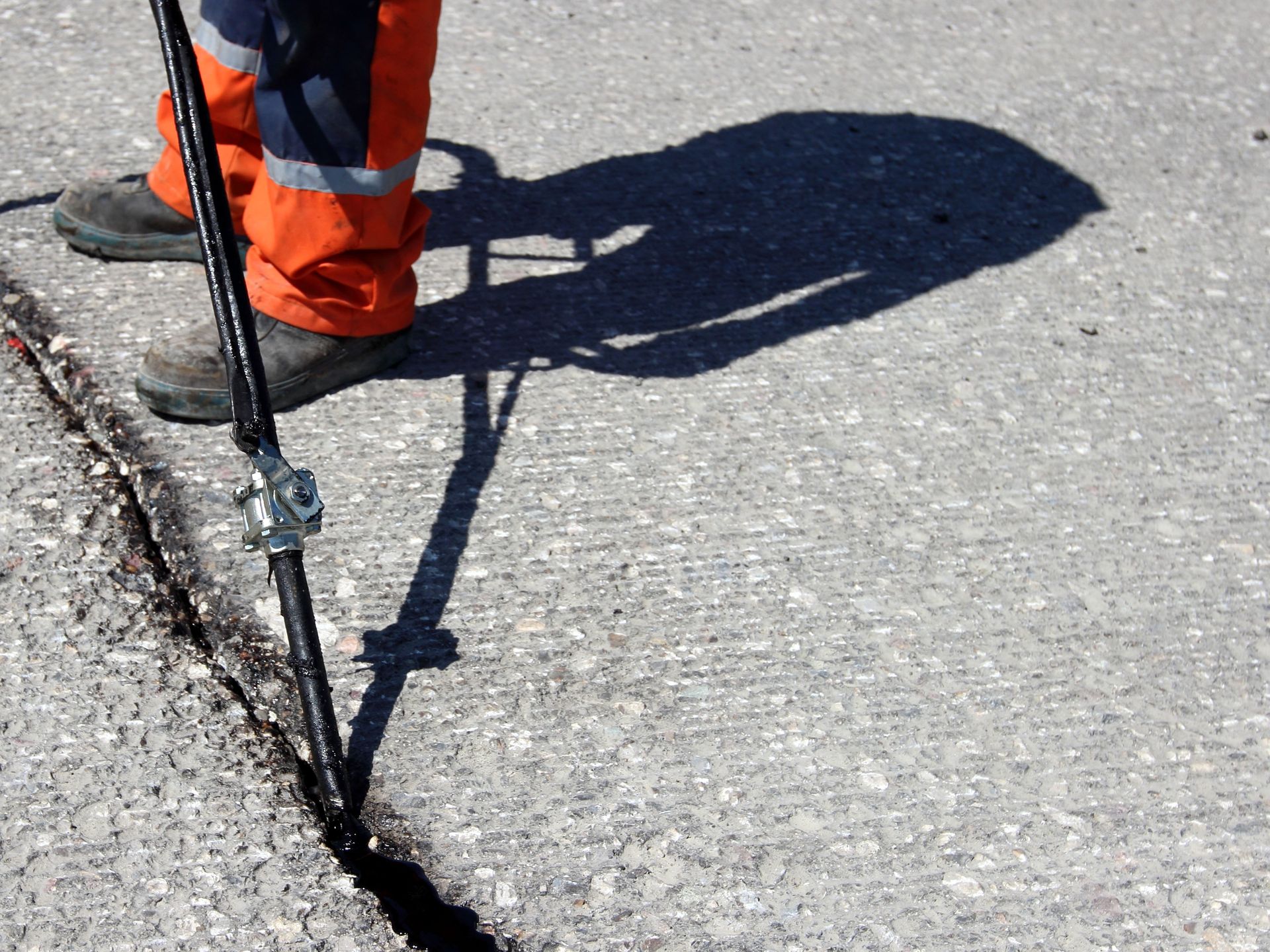
A successful paving project does not conclude once the final roller leaves the newly smoothed surface. Establishing a proactive ongoing care schedule protects the bitumen binder from oxidation, automotive fluids, and ultraviolet solar degradation. Forward-thinking asphalt companies provide comprehensive post-installation care recommendations, explaining when to apply protective sealcoats, how to address hairline fissures, and what preventative routines preserve surface resilience.
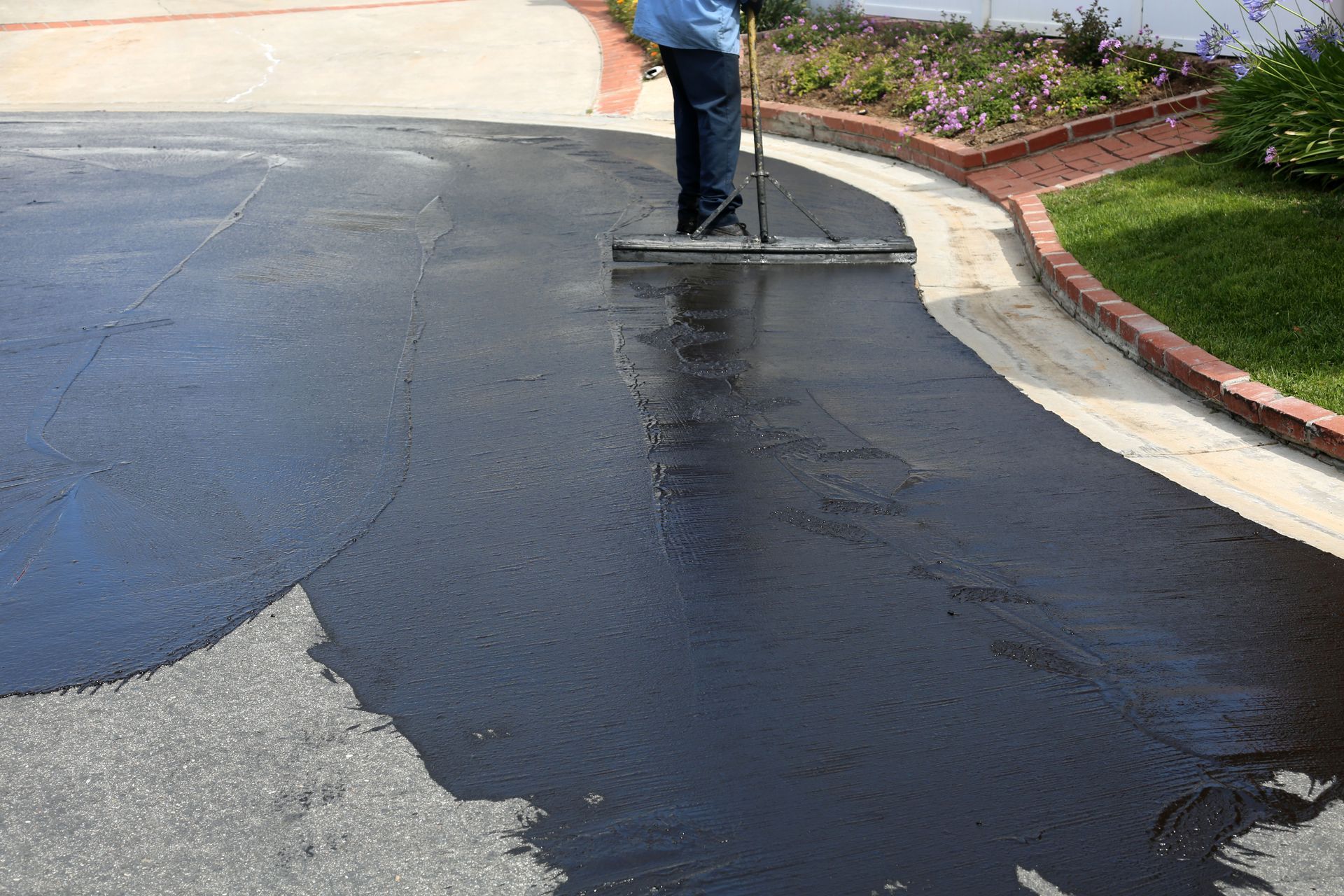
Professional contractors advise homeowners to allow newly laid asphalt adequate curing time before applying commercial-grade sealcoats. Applying protective emulsion seals at the correct intervals replenishes vital oils, restores rich dark color, and creates an impervious barrier against moisture infiltration. Inquiring about ongoing maintenance schedules demonstrates that a paving contractor is invested in the long-term performance of your property rather than merely completing a fast transaction.
Investing in a high-grade paved driveway or parking area enhances the overall functionality, safety, and visual appeal of your property. By asking detailed questions regarding subbase preparation, crew expertise, sustainable material standards, site drainage engineering, and proactive maintenance, you establish a clear foundation for a successful project. Taking the time to evaluate several asphalt companies ensures that you select a dedicated team possessing the technical proficiency and equipment required to deliver outstanding, long-lasting pavement.
If you are ready for exceptional pavement durability and expert craftsmanship, contact us at Highline Pavement Solutions today. We will help you design, install, and maintain a pristine asphalt surface tailored perfectly to your property requirements.